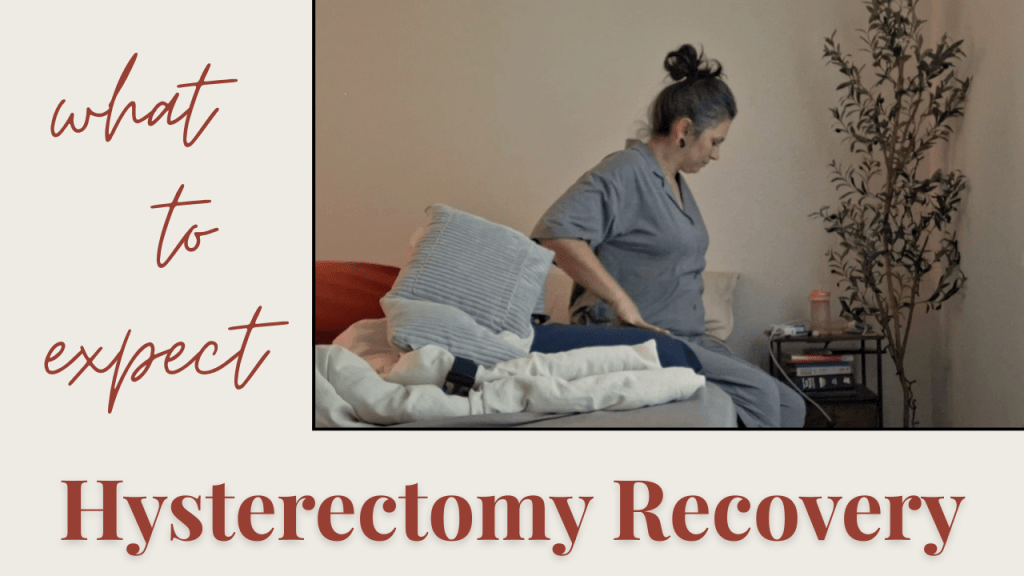
Preparing for surgery felt heavier than I expected.
Not just physically — but mentally too.
In this post, I’m sharing what I did to prepare for surgery at home, what recovery actually looked like for me day by day, and a few things that made a real difference.
This isn’t medical advice — just my personal experience in hopes that it helps you feel a little more prepared and a little less alone.
Preparing Your Home Before Surgery
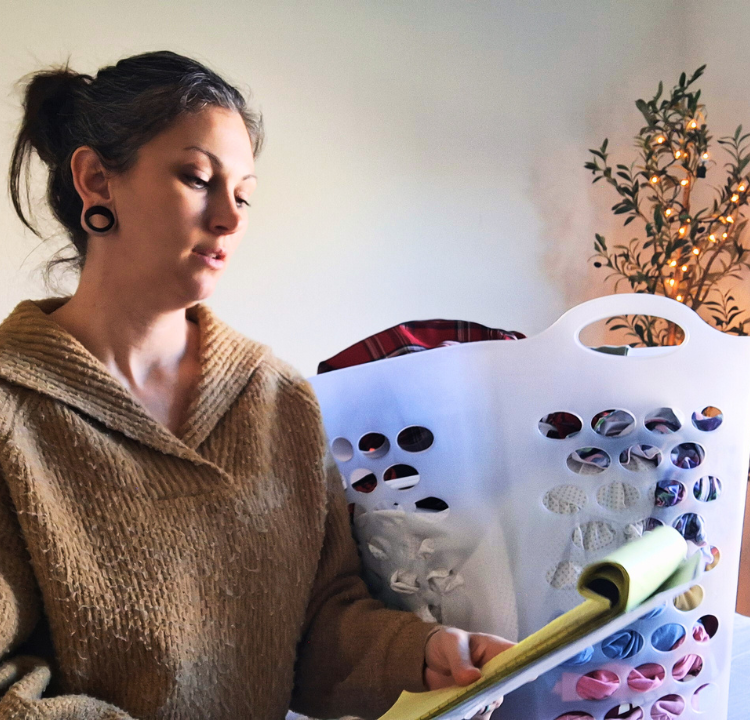
About two weeks before surgery, I realized I needed to reset the basics first.
Not everything. Just the things that would matter most when I got home.
Start with the Essentials

The first thing I tackled was laundry.
I was behind — like really behind — and I knew that coming home to that would feel overwhelming. So I focused on:
- Laundry (especially basics)
- Washing all bed sheets
- Resetting the shower
The goal wasn’t perfection.
It was removing future stress.
Reduce Decisions for the First Week
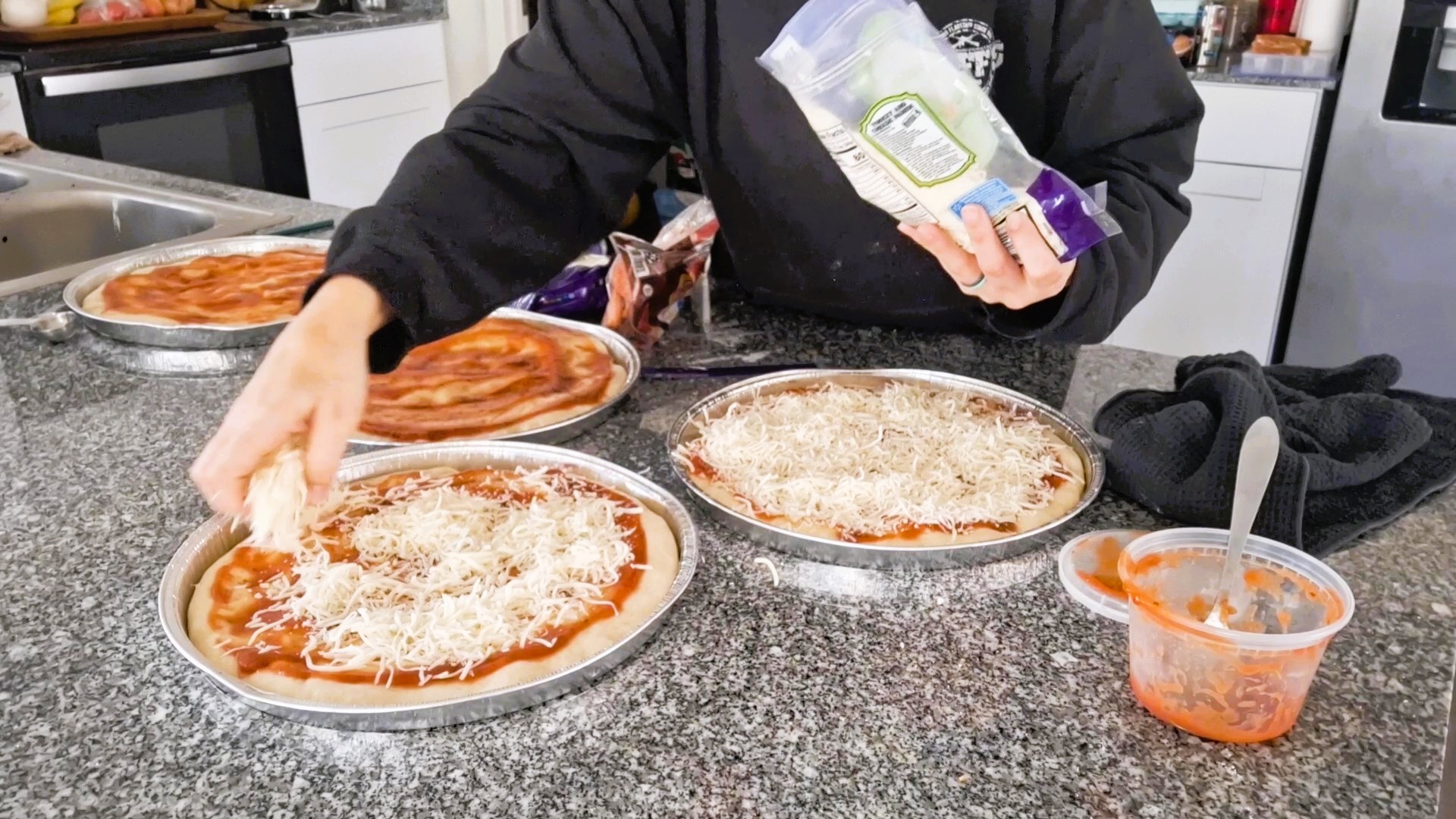
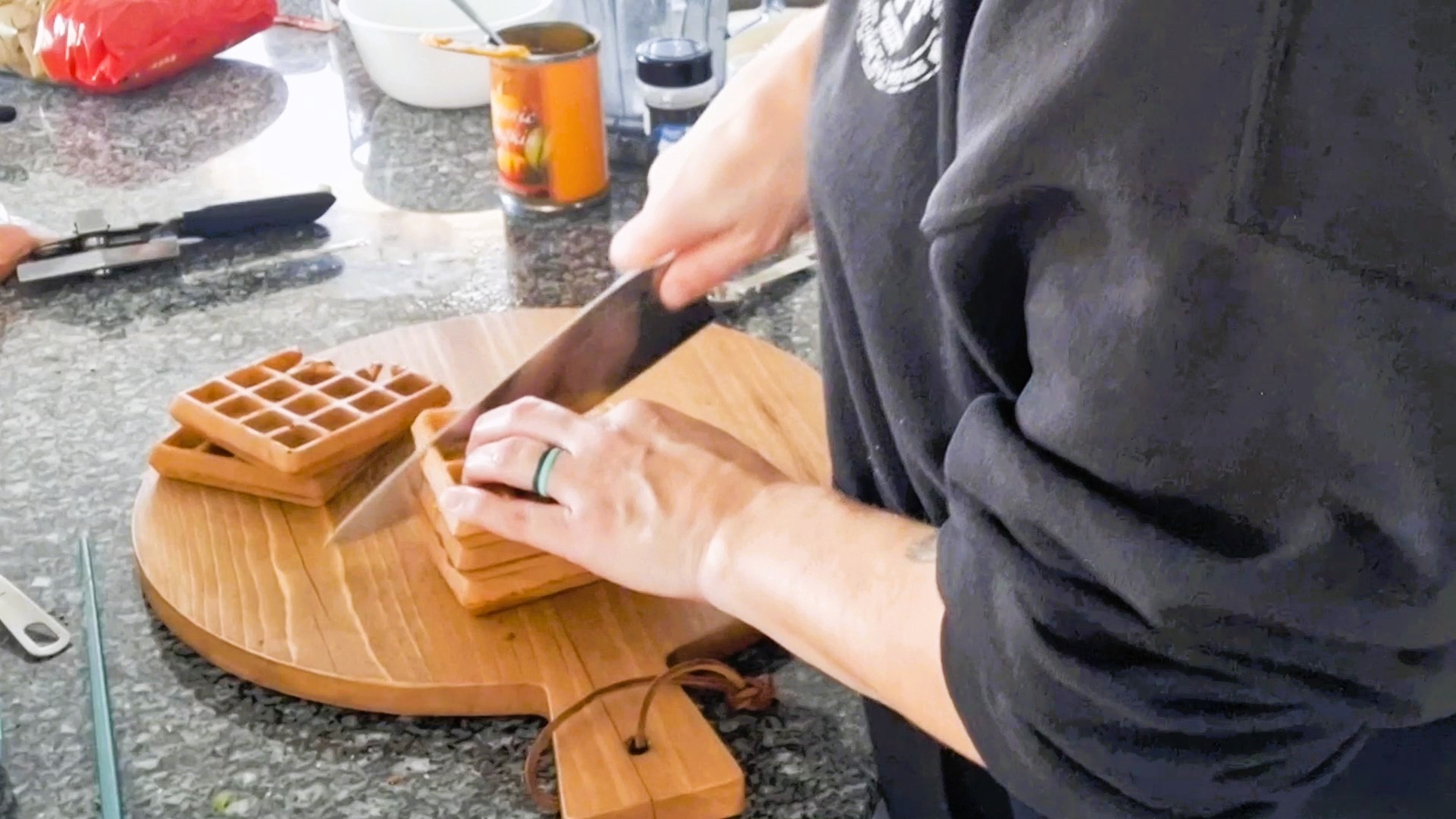
One of the most helpful things I did was lower the number of decisions I would need to make.
I prepped:
- Freezer pizzas
- Snack bins for the kids
- A double batch of waffles for easy breakfasts
This made it so the kids could grab things themselves without needing constant help.
I also switched to paper plates — and honestly, I would recommend it.
After surgery, the last thing you want is to be standing at the sink doing dishes.
Create a Simple Recovery Space
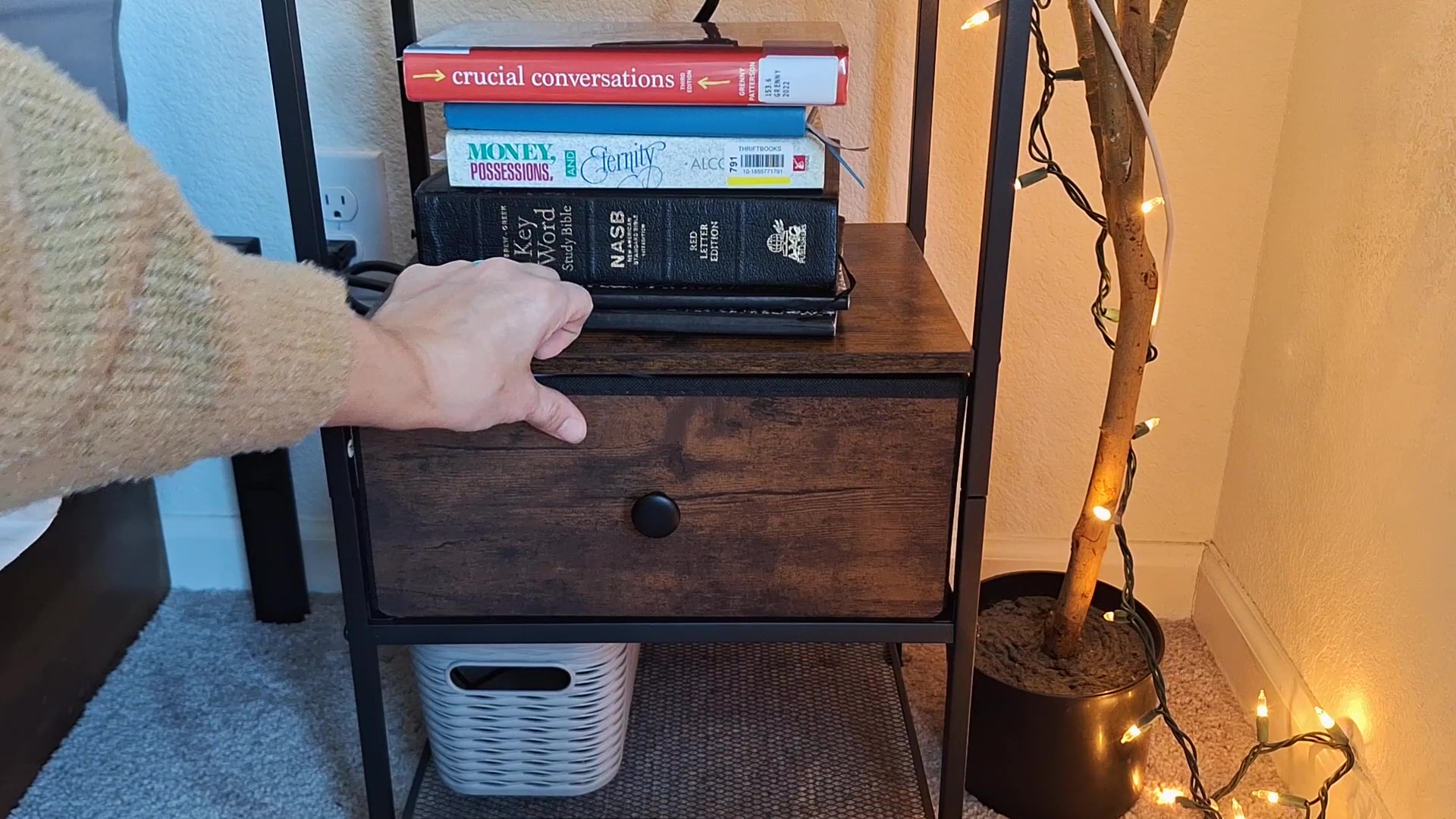
Before surgery, I set up a small area next to my bed.
Nothing fancy — just things I knew I would reach for:
- Heating pad
- Chargers
- Books
- A few small activities (like nails or something to keep my hands busy)
This made recovery feel more comfortable and a little more intentional.
The Mental Preparation
This part matters more than anything else.
I had to:
- Lower my expectations
- Let go of perfectionism
- Be willing to ask for help
Systems are not about perfection — they are about support.
Let people know what you need.
Accept help where it’s offered.
That mindset shift made a big difference going into surgery.
What Recovery Actually Looked Like (Day by Day)
Everyone’s recovery is different — but here’s what mine looked like.
The First Few Days
Honestly, the first few days weren’t as bad as I expected.
I felt:
- Tired
- Heavy
- A little off from anesthesia
But not a lot of pain.
I think staying on top of pain meds helped a lot here.
Around Day 4
This is when things shifted.
Pain increased a bit — especially:
- At night
- Getting in and out of bed
It wasn’t constant pain, but it was noticeable.
If I missed pain meds, I definitely felt it — so I would recommend staying consistent, especially that first week.
By Day 7
By about a week, I felt mostly back to normal.
Still some soreness, and regular pants weren’t super comfortable yet — but overall, I was doing much better.
The biggest thing at this point was not overdoing it.
Lentils are such a practical solution.
*estimation for 1/2 cup of cooked brown lentils
The Most Painful Part (That Surprised Me)
The most painful part of recovery wasn’t what I expected.
It was gas pain.
It showed up:
- In my ribs
- In my shoulders
- Especially in the first few days
It could go from dull to sharp pretty quickly, especially with movement or bending.
Not to scare you — but it’s something I wish I had been more prepared for.
Things That Helped My Recovery
These were simple, but they made a big difference.
Comfort + Support
- Abdominal pillow (especially at night)
- Soft, loose clothing like this pj set
- Heating pad
The abdominal pillow in particular helped protect the incision area and made things feel more secure.
Digestive Support
- Stool softener
- Gas relief (like Gas-X)
These helped things get back on track and made recovery more comfortable.
Unexpected but Helpful
One thing I didn’t expect was how bad the dry mouth would be after surgery.
Water wasn’t enough.
Having something like:
helped bring things back to normal pretty quickly.
What Surprised Me Most
A few things I didn’t expect:
- Pain was delayed (didn’t fully hit until a few days later)
- It wasn’t constant pain — more situational
- Gas pain was worse than incision pain
- The hardest part emotionally was actually waiting for surgery, not recovery
Surgery Day (The Emotional Side)
I had never really been in a hospital outside of having children.
So walking into surgery felt different.
When I was being wheeled into the operating room, I got emotional.
What helped me most in that moment was focusing on Bible — specifically Psalm 23.
“… even though I walk through the valley of the shadow of death, I fear no evil; for thou art with me…thou dost prepare a table before me in the presence of my enemies…my cup overflows. Surely goodness and lovingkindness will follow me all the days of my life.”
It gave me something steady to hold onto.
It brought a sense of peace when everything else felt uncertain, it told me the truths that I know when my emotions started to run wild.
Final Thoughts
If you’re preparing for surgery, here’s what I would focus on:
- Reset the basics (laundry, beds, simple cleaning)
- Reduce decisions (easy meals, simple systems)
- Create a small recovery space
- Prepare mentally — not just physically
- Let go of perfection and accept help
Recovery wasn’t perfect — but it was completely manageable.
And having simple systems in place made it so much easier to move through it.
 House of Cruz
Leave a comment